The Madison County History Museum is currently closed for renovations. We are working on transforming the gallery spaces on the first floor into all new exhibits about Madison County history. Check back for more information on the museum’s opening date.
Exhibits
Your visit to the Madison County History Museum starts before you walk through the door. Exhibit panels on the porch provide a brief orientation to the history of the land encompassed by Madison County.
First Floor
The entry hallway provides opportunities to figuratively and literally walk through history. Discover how the story of Alton’s Piasa has dramatically changed over time, and learn how historians analyze sources and stories. Browse the wares at a full-size reimagined early-19th century store counter.
The main floor galleries present the resources and people of Madison County. Explore the land within Madison County’s borders and discover how geology has helped shape the county’s story. Meet the First Peoples who occupied the landscape. Follow a river of stone tools to learn more about these first stewards of the land and their confrontation with European invaders.
Survey the vast network of rivers, trails, rails, and roads that connect Madison County to the nation. Accompany the subsequent waves of immigrants drawn to the region by the resources that attracted the First Peoples. Native Americans from the north, Americans from the east, European settlers, and enslaved people of African descent all became early residents of Madison County. These were followed by freedmen, southerners, and immigrants from the constituent countries of the United Kingdom, Ireland, and the Germanic states.
To view a sneak peak at the new exhibits or learn more about Madison County history, click here.
Photograph of the Piasa painted on the Alton bluffs, ca. 1950s
Second Floor Details Coming Soon
Special Exhibits
No special exhibits are currently scheduled.
Accessibility
The Madison County Historical Society welcomes visitors of all abilities to enjoy the History Museum and Archival Library. We recognize that our mid-19th century Museum building may present challenges for those with physical impairments.
The History Museum has a ramp at the museum entrance. To access the lift to the second floor galleries, guests will need to enter through the door in the Museum Shop. A single-user all-gender restroom is also available through the Museum Shop. Guests with limited mobility may need assistance to navigate these spaces.
Guests with Hearing Impairment
Our Museum galleries are designed to be self-guided, with captions on all videos.
Guests with Sensory Needs
The museum offers sensory-friendly mornings on the second Monday of the month on an as-requested basis. These mornings are designed for guests with autoimmune or sensory needs. Please call 618-656-7569 to check availability and make a reservation.
Field Trips and Groups
Groups, such as field trips, are welcome at the Madison County History Museum.
Contact call 618-656-7569 to set up a group visit or field trip
Guests with Low-Vision and Visual Impairment
Audio guides are not currently available at the Museum.
Service Animals
Service animals are welcome at the Museum and Archival Library.
Field Trips and Groups
Groups, such as field trips, are welcome at the Madison County History Museum.
Contact call 618-656-7569 to set up a group visit or field trip
Museum Shop
Don’t forget to stop by our Museum Shop located near the entrance to the Museum.
History of the museum building and renovations
The Weir Family
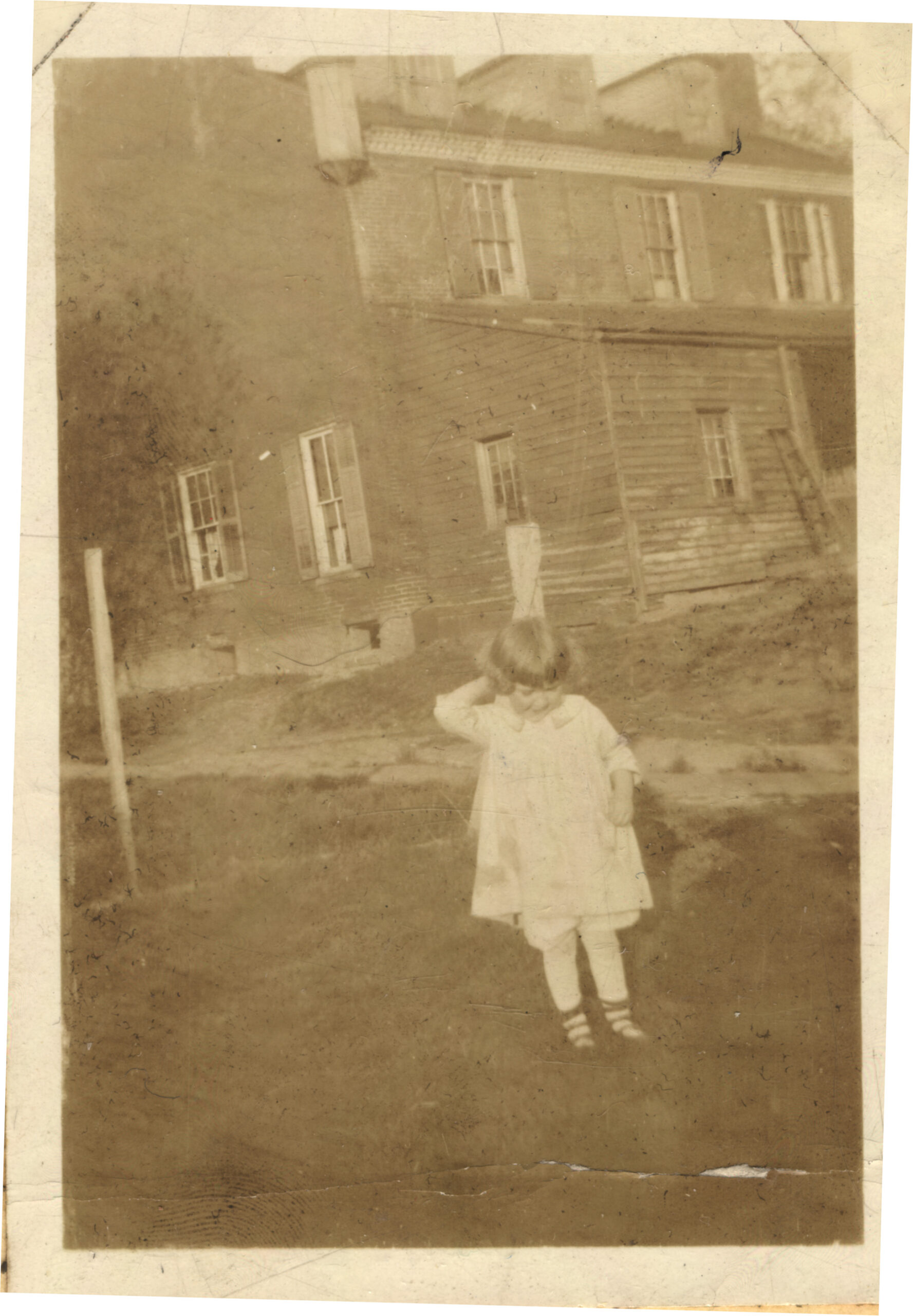
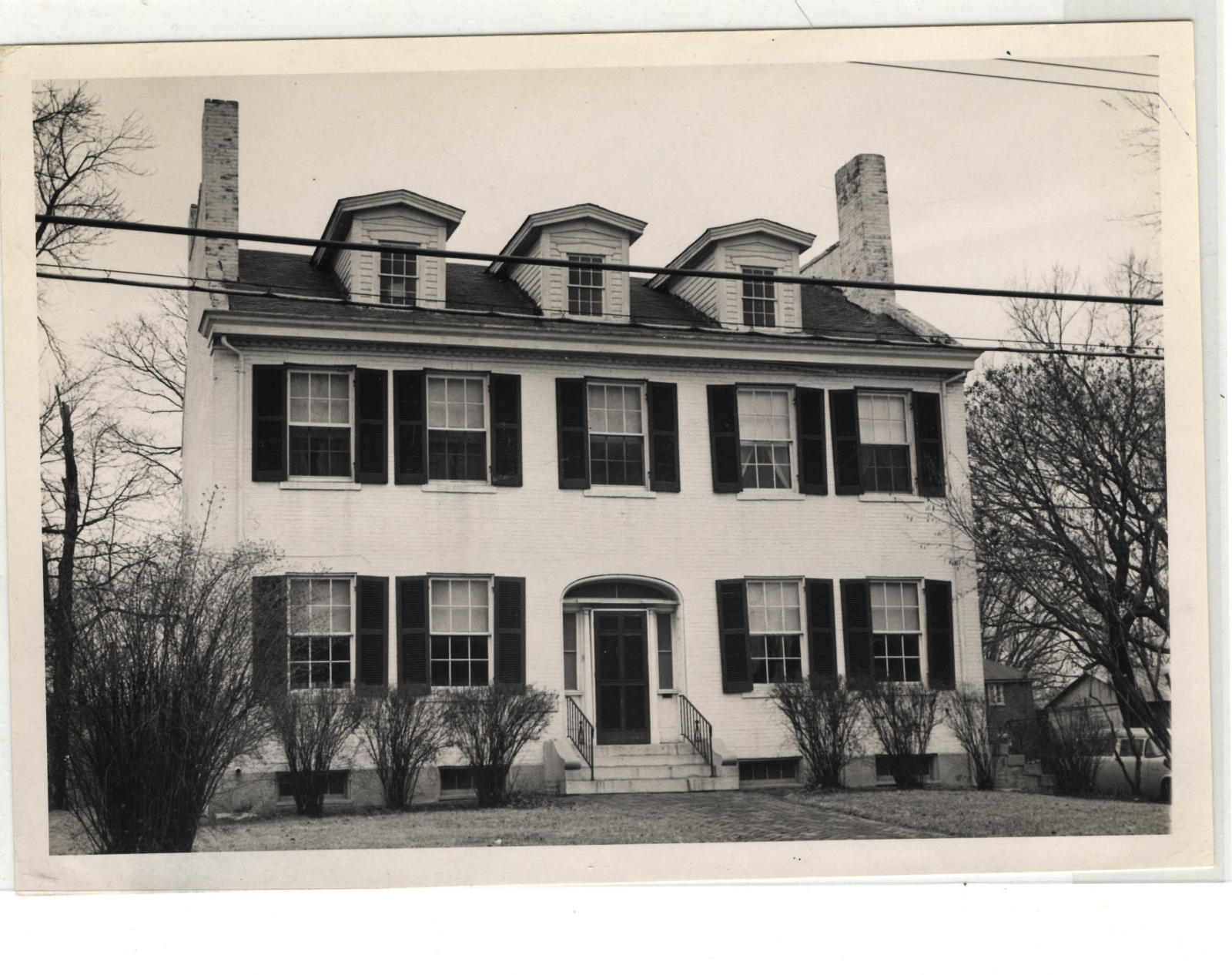
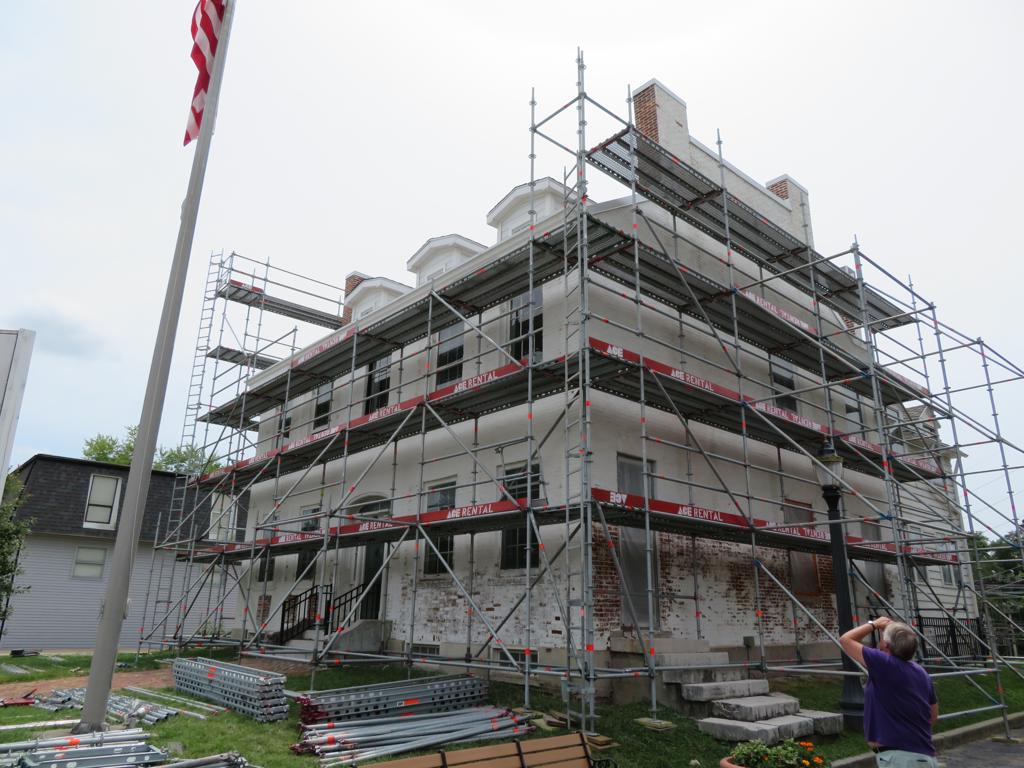
The Madison County History Museum currently resides inside and on the grounds of the Weir House. This Federal-style home built in 1836 for Dr. John Weir and his family is one of the oldest structures in Edwardsville. It was added to the National Register of Historic Places in 1983.
A South Carolina native born in 1809, John Weir did some traveling before finishing his education at Harvard Medical School. Weir met his first wife, the widowed Hepzibah (Damon) Temple, in Massachusetts. He came to Illinois in 1835 to set up a medical practice as a physician and surgeon. The couple married the following year and moved into their newly constructed home on Edwardsville’s Main Street. Dr. Weir saw patients inside his home in what is now Gallery D. You can still see the exterior entrance off the plaza.
Hepzibah died in 1838, six months after the birth of daughter Mary Elizabeth. Weir married Mary Hoxsey, a daughter of some of the county’s early settlers, in 1839. Dr. John Weir died August 3, 1878, after a six-month illness at the age of 69. Mary Weir died nine years later.
“The people of Edwardsville, and the county generally, will regret his death. He was the oldest practitioner of this county and had, previous to his illness, a large and lucrative practice…Dr. Weir was generous to the poor, and did as much, or more, to advance the science of medicine, as any physician in the county.” -Dr. John Weir’s obituary
The November 2020 issue of MCHS News includes more information about the history of the Weir House.
John Weir Sketch
Museum Building Renovations
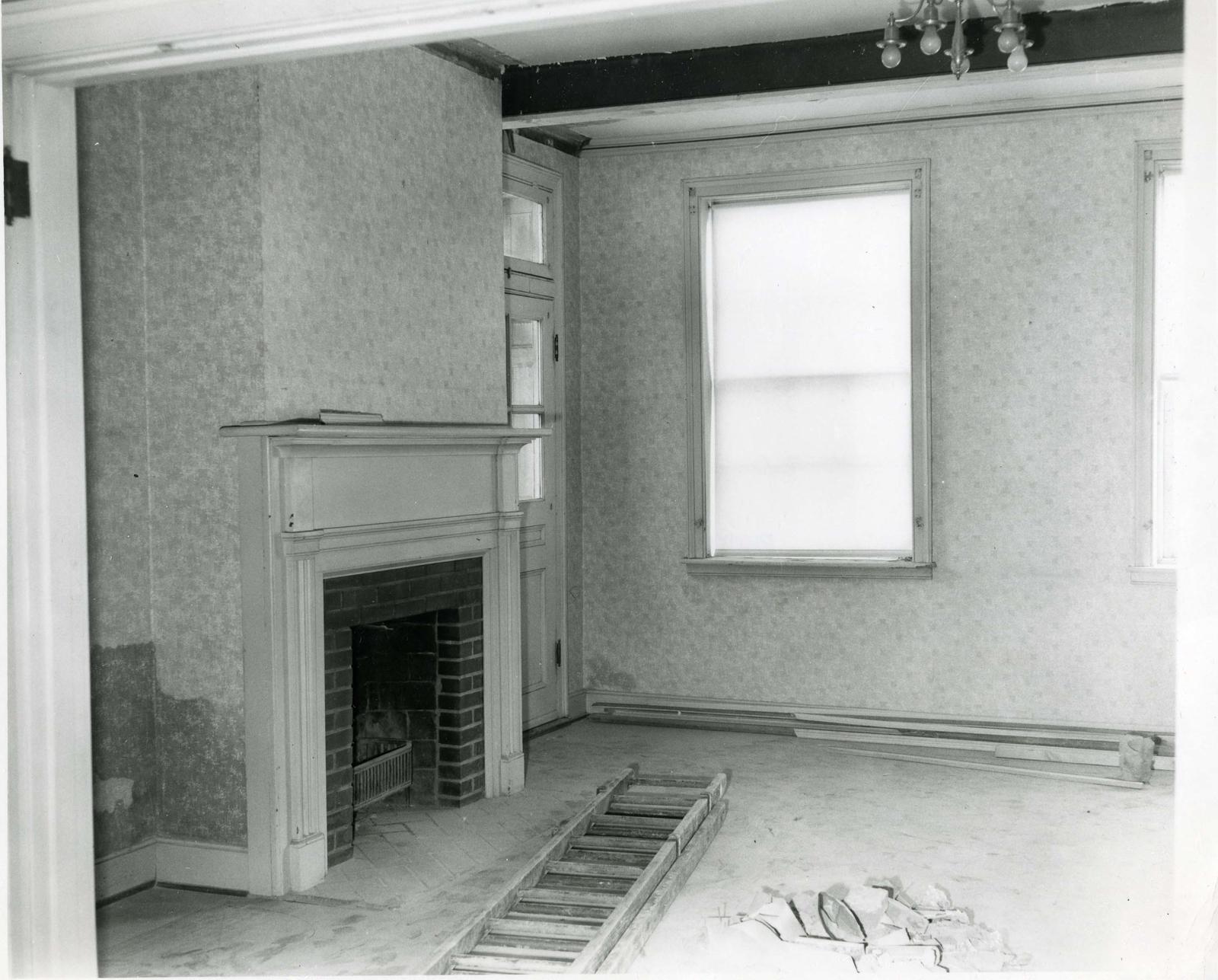
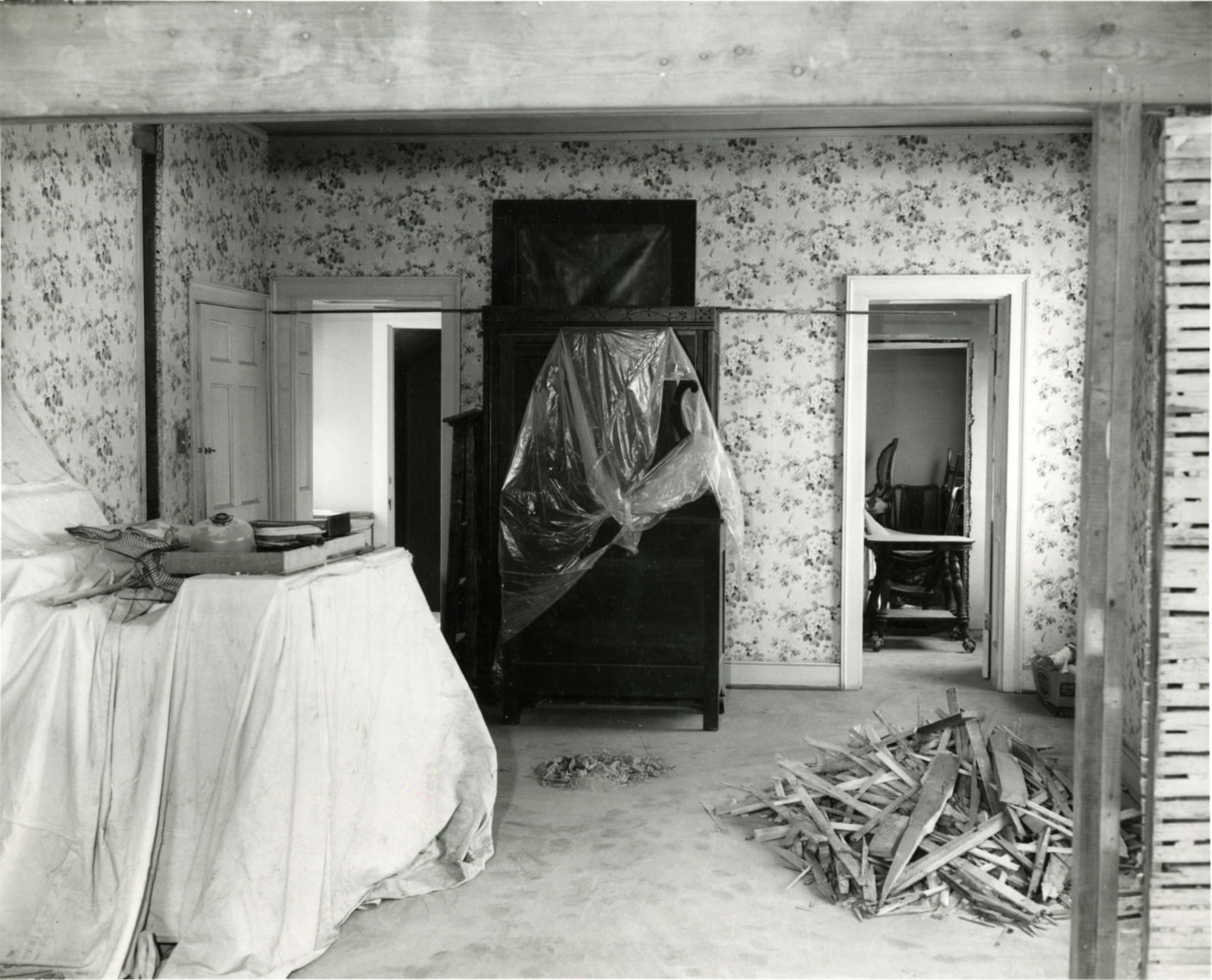
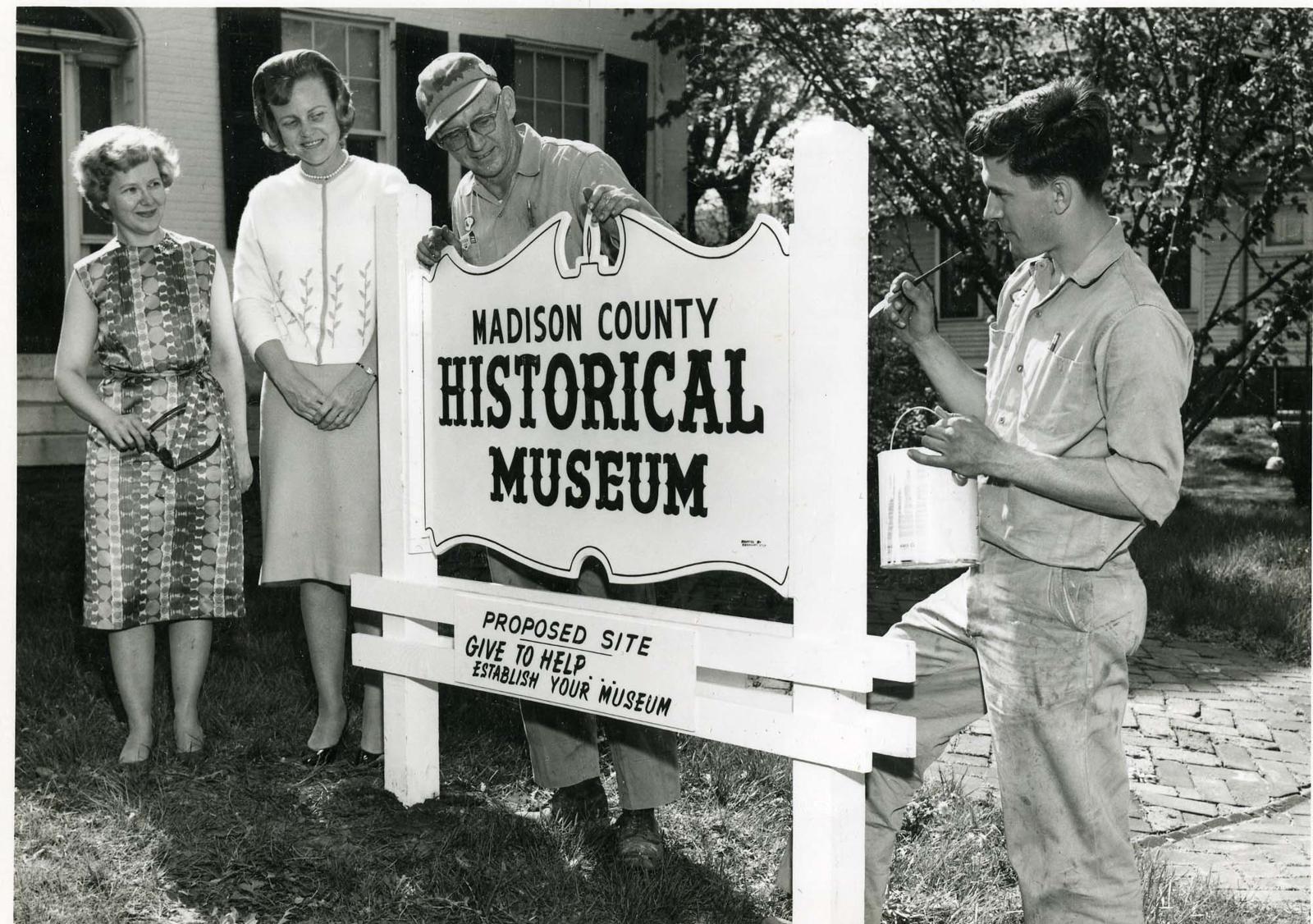
Descendants of the Weir family occupied the family home for most of its existence. In the 1960s, the Madison County Historical Society (MCHS) raised $34,000 to purchase the house from the last remaining heir and occupant (Dr. Weir’s granddaughter Edna Weir) and renovate the house to serve as a Museum building. A wood-sided extension had been added at the back and the house had been split into multiple apartments prior to its purchase by MCHS. After twenty years of visitors, MCHS invested in another round of renovations for the Museum building.
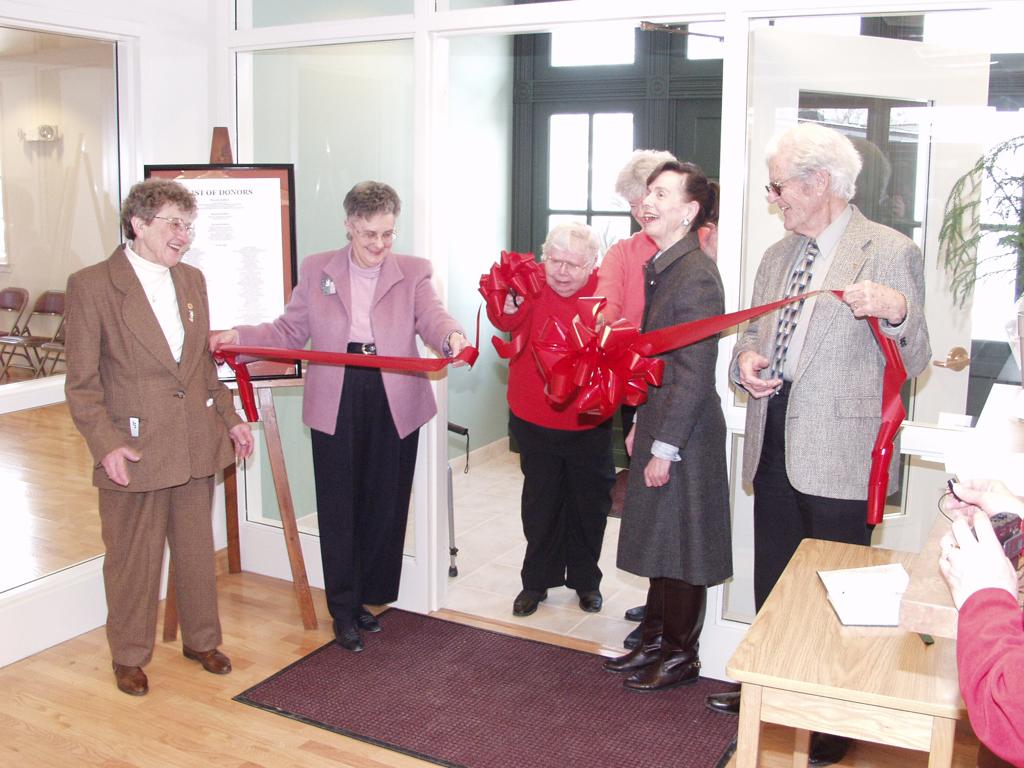
In 2001, necessitated by structural concerns (purportedly caused by the extreme weight of books in the building), MCHS obtained funds for the construction of a separate Archival Library and plaza. The latter replaced F Street, forming a continuous museum campus. The new one-story library building, dedicated March 3, 2002, was made possible through state grants secured by Illinois State Senator Evelyn Bowles and fundraising efforts of the Madison County Historical Society.
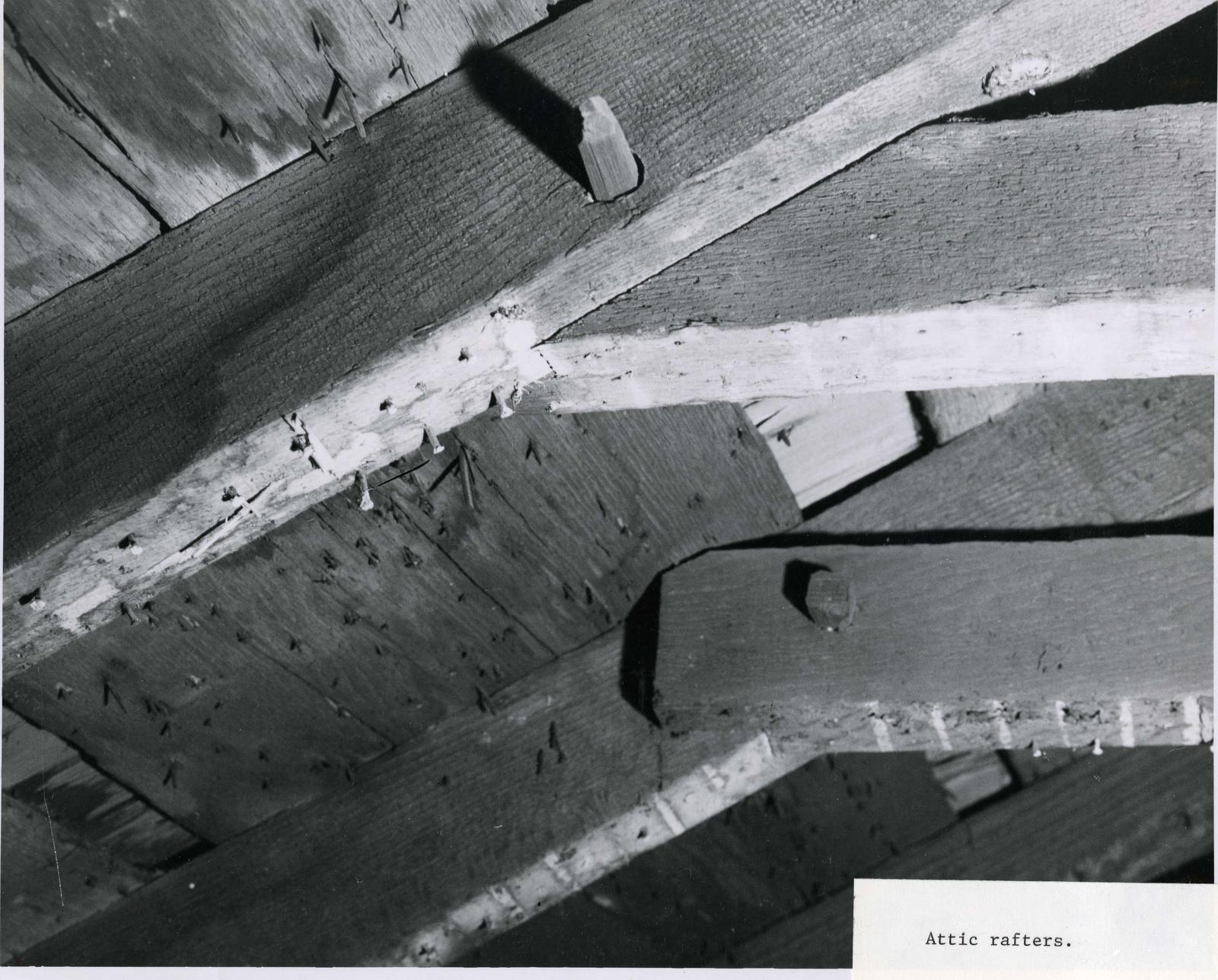
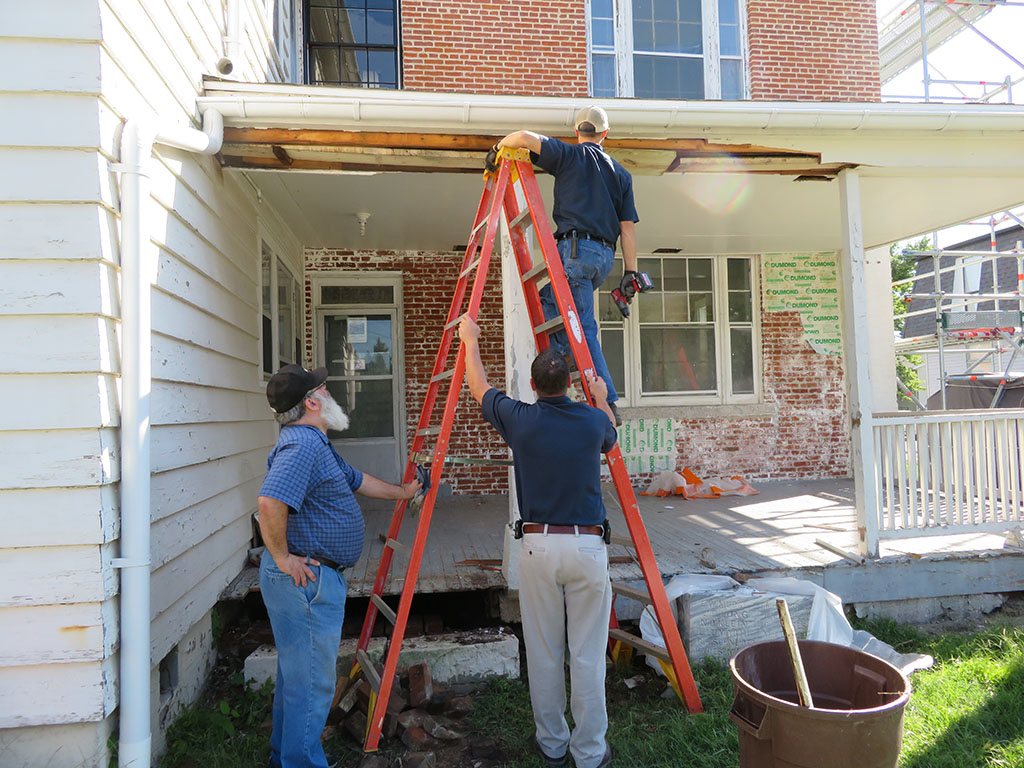
At this point, the Museum building was over 160 years old. Sagging beams caused roof leaks, but repairing them didn’t solve all the problems. The tradition of painting the exterior brick with white paint trapped humidity in the house, leading to plaster and floor damage as well as damage to some of the exterior bricks. Everything from deep structural concerns to more cosmetic matters needed attention. As a result the Museum closed in 2015. All of the artifacts were removed from the Museum building and placed in storage. The Archival Library remained open, including a small exhibit space for objects from the Museum’s collection. The Society developed outreach programs to supplement library services until the Weir House could be stabilized. That closure provided an opportunity to reimagine the museum as a resource for the community for years to come.
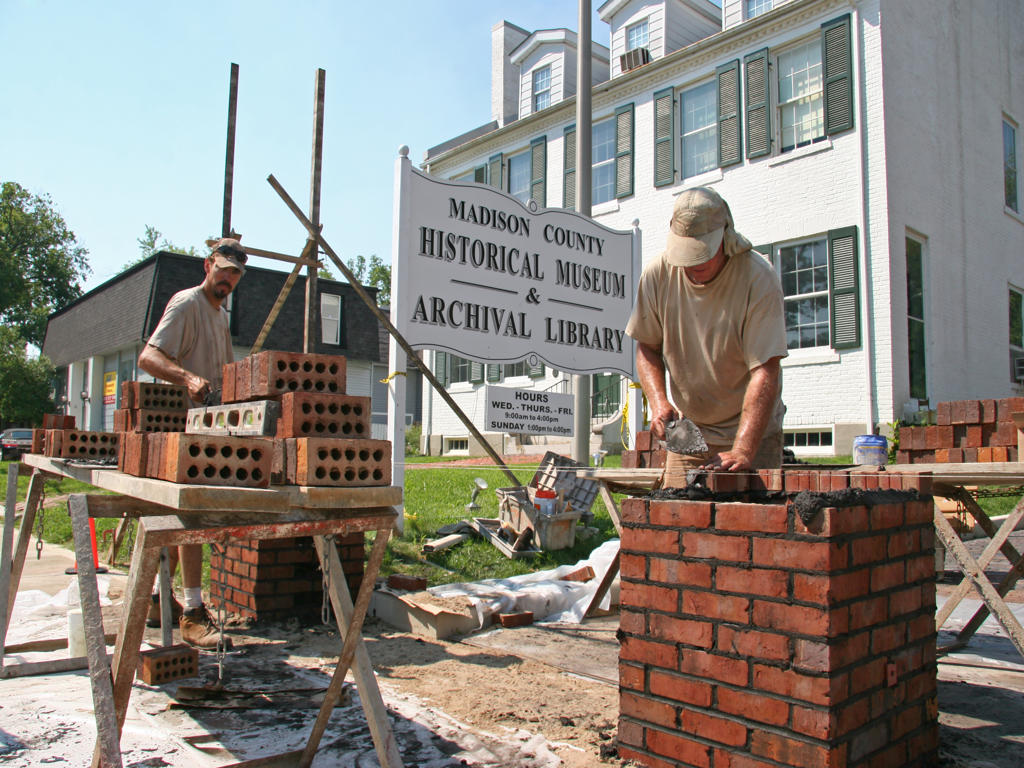
With grant funds and private donations over the past decade, the critical infrastructure concerns have been addressed. Work to date includes exterior paint removal, structural stabilization utilizing beams traversing the building, roof repairs, dormer and window restoration, front entrance restoration, installation of a back entrance ramp, installation of a museum-quality HVAC system to regulate the indoor climate, refinished floors, new emergency and track lighting, an ADA accessible restroom, and more.
It’s been a long time coming, but a thoroughly modern museum telling the story of our County is currently underway. We hope you enjoy the new Madison County History Museum.
Recent Upgrades
MCHS went green!
In early 2025, solar panels were installed on the roof of the Archival Library. The project will allow MCHS to reduce monthly operating costs.
Welcome Cyclists!
We welcome all bike riders to visit the museum. A new bike rack was added to the plaza in Spring 2026 for your use.